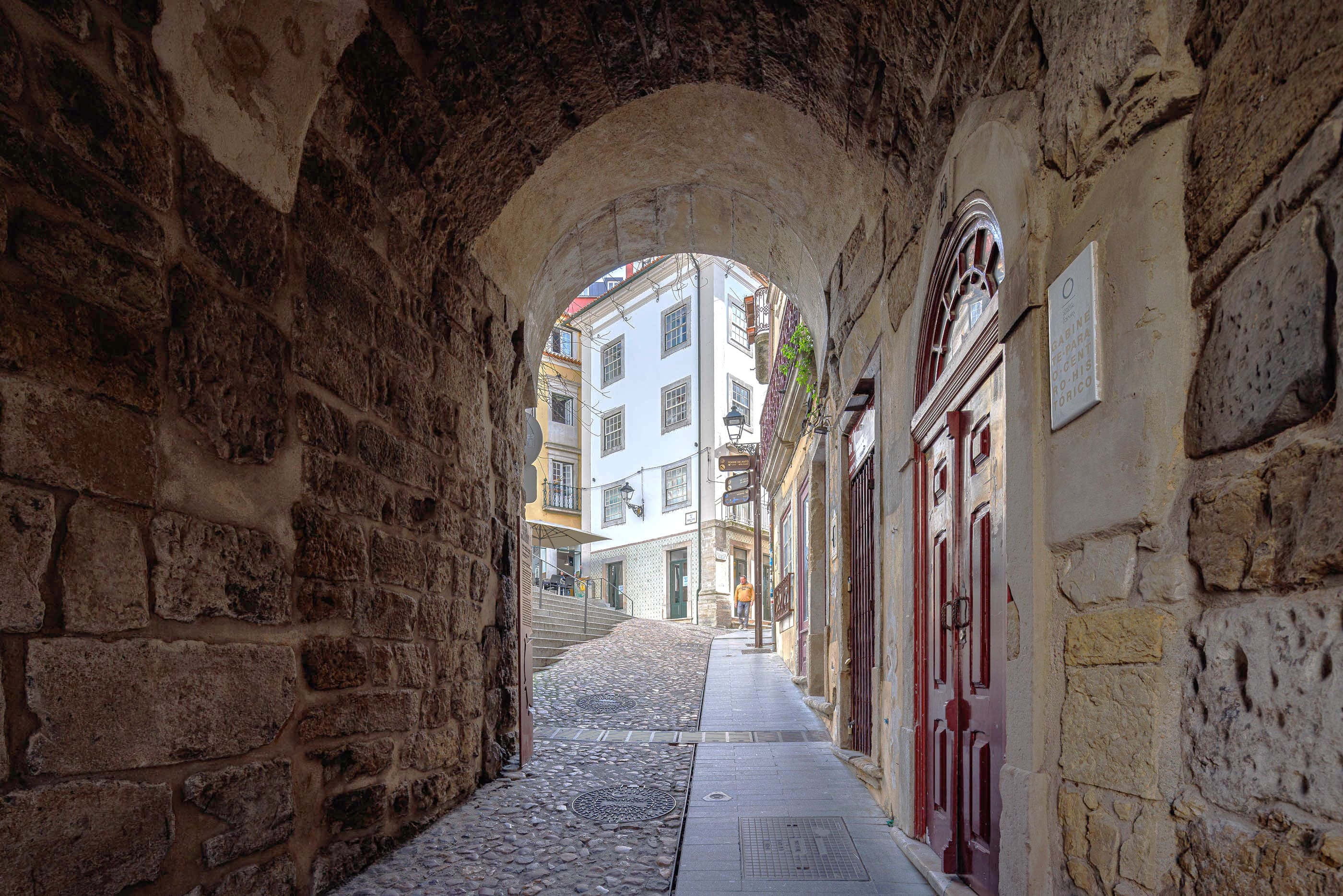
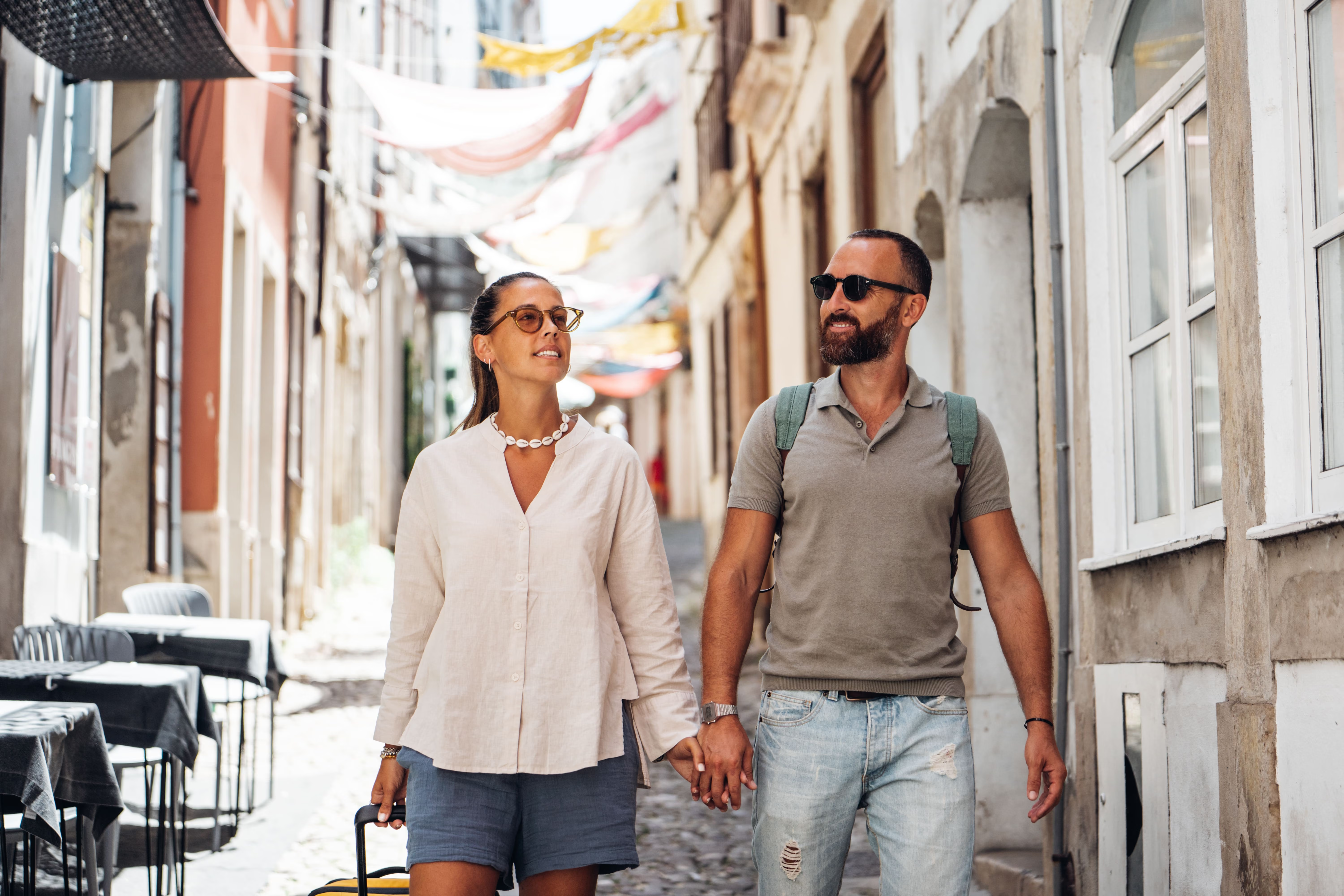
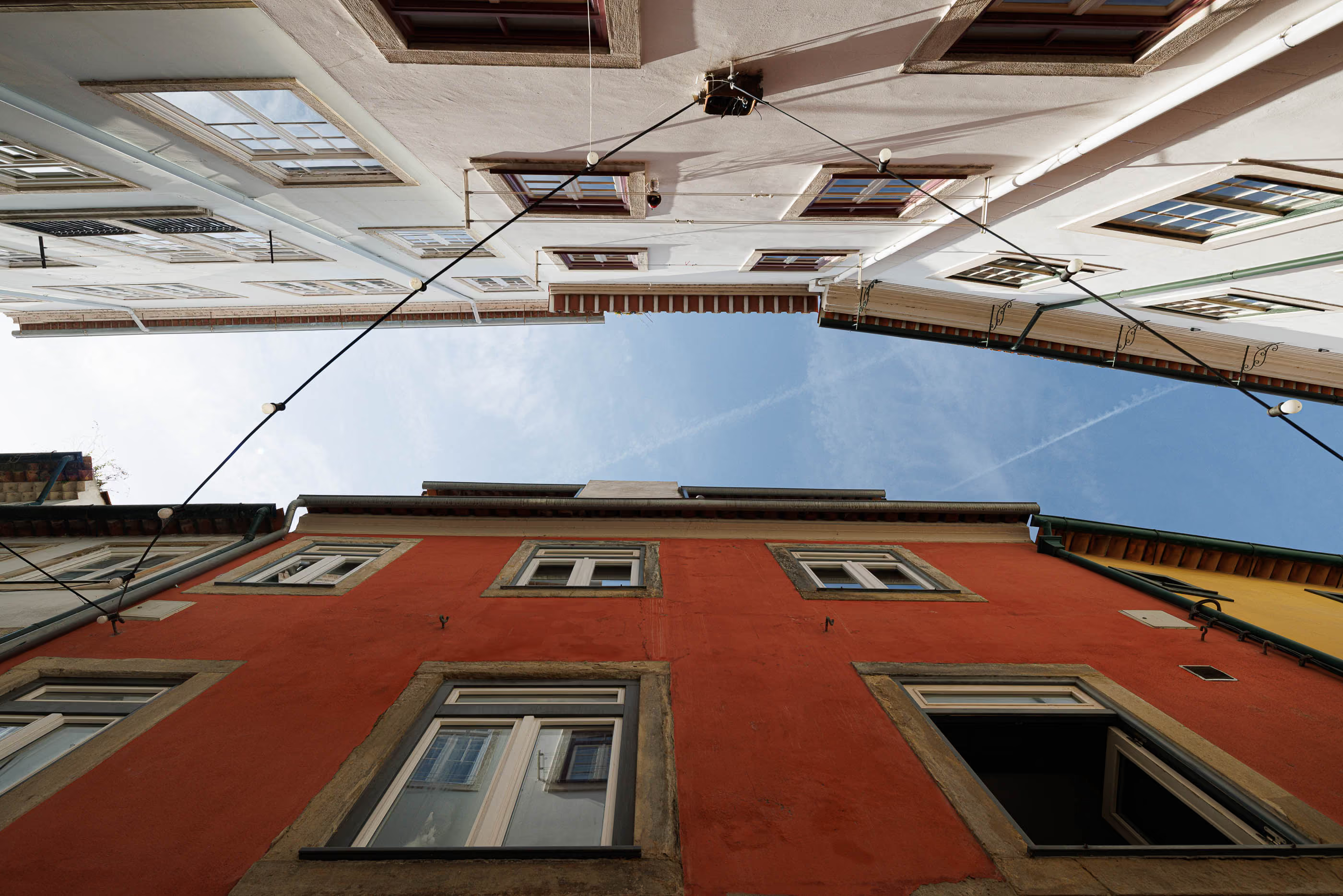
In the historic heart of Coimbra, among old streets and iconic landmarks such as Arco de Almedina and Sé Velha, this apartment puts the city right at your door.
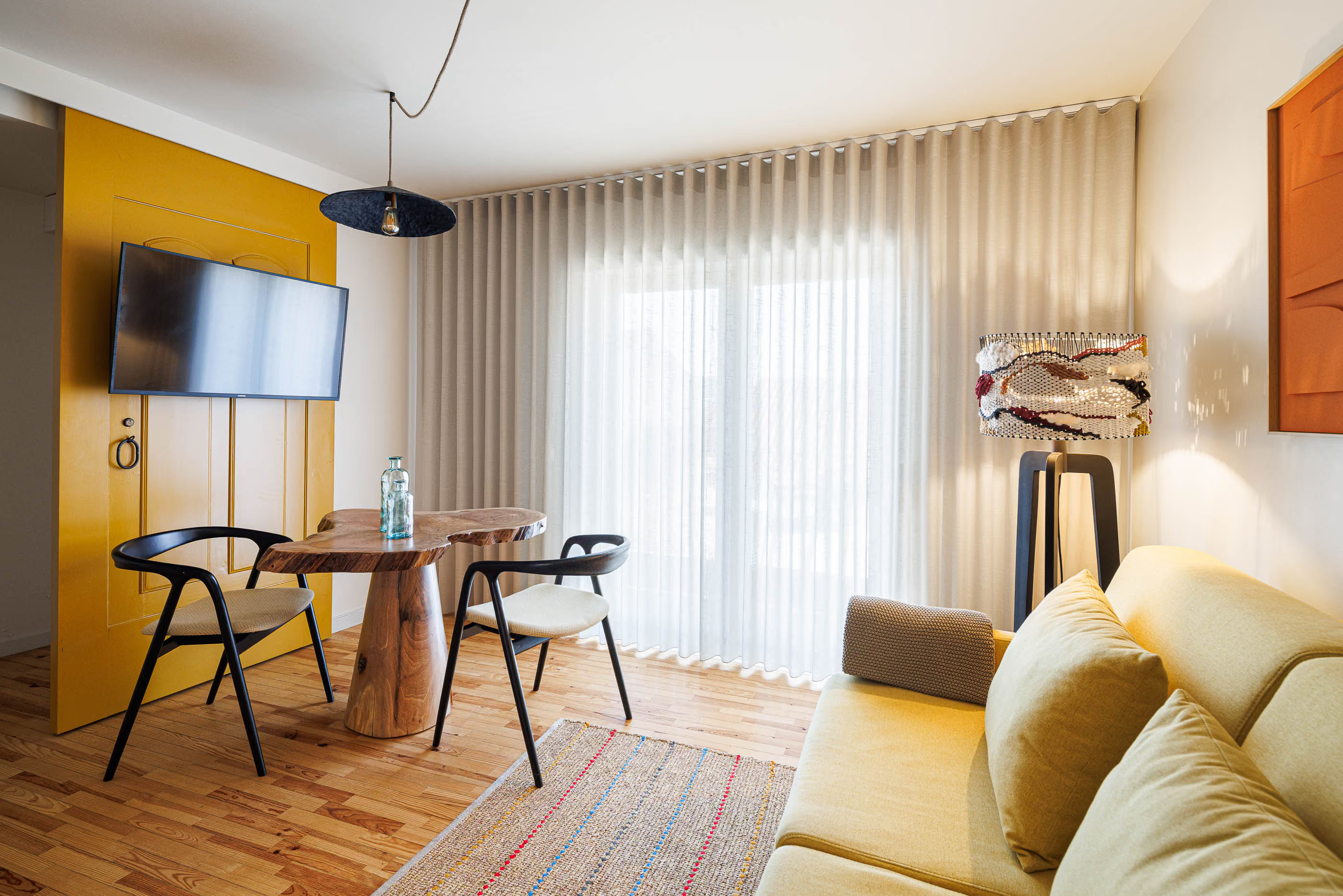
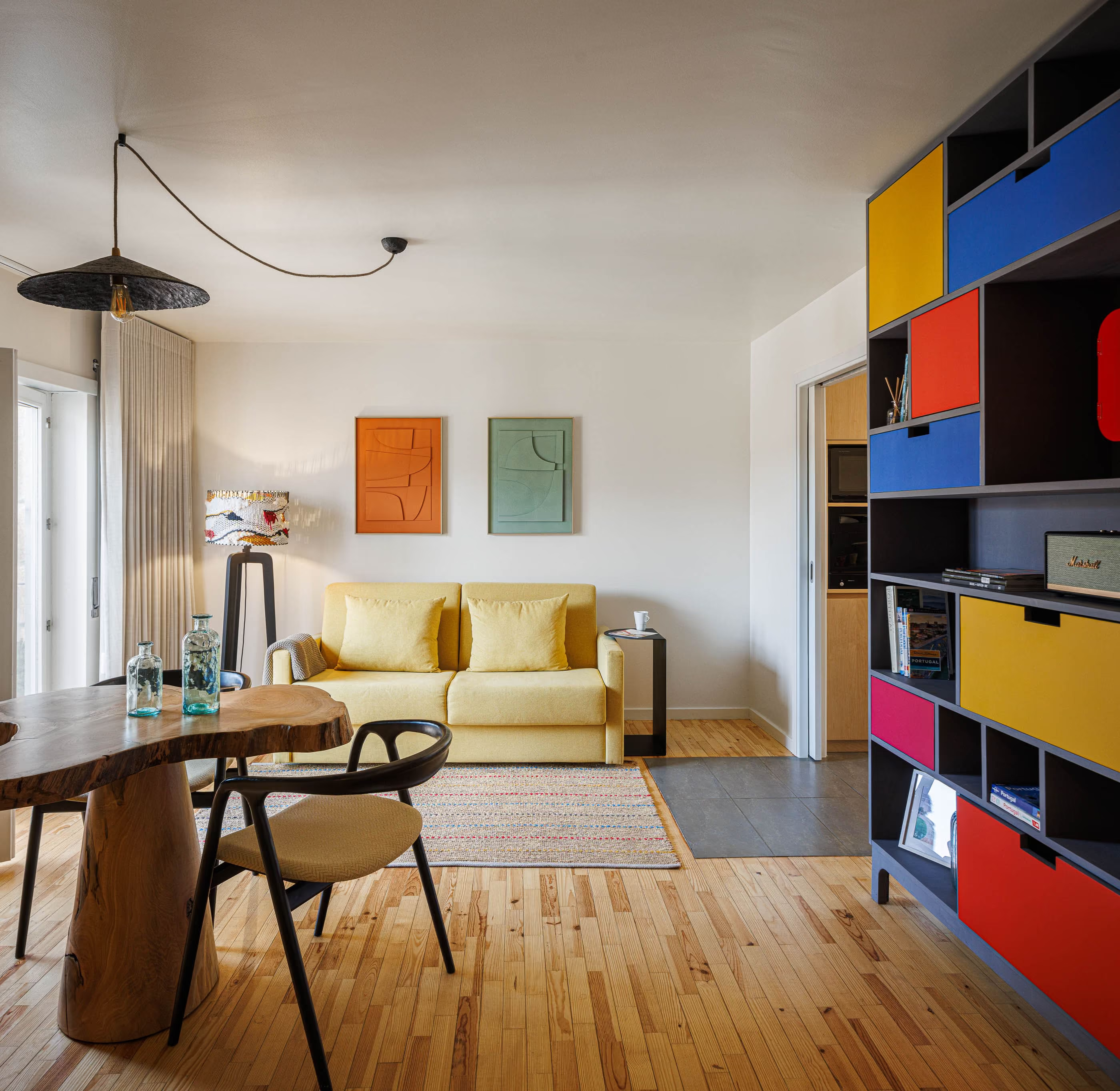
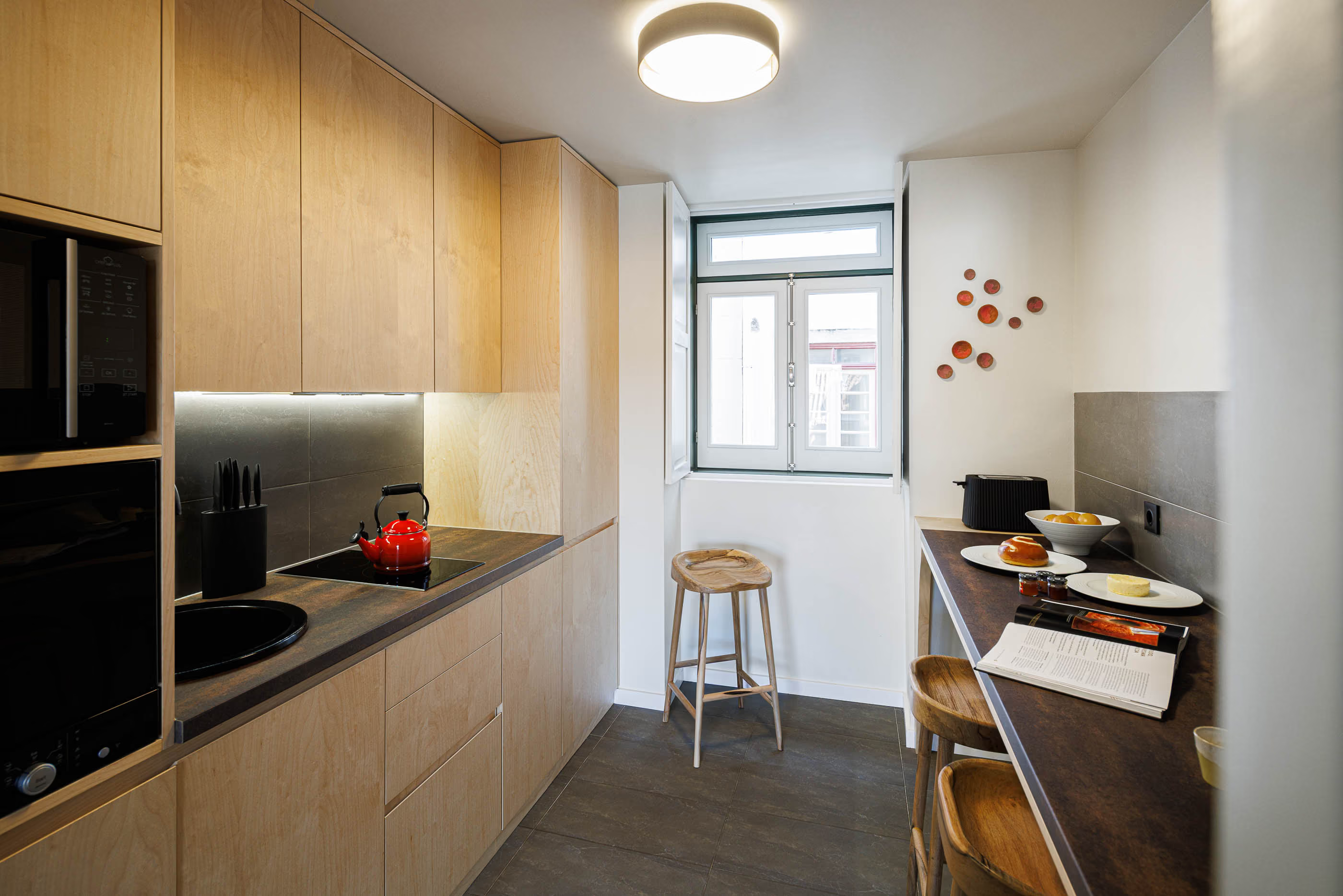
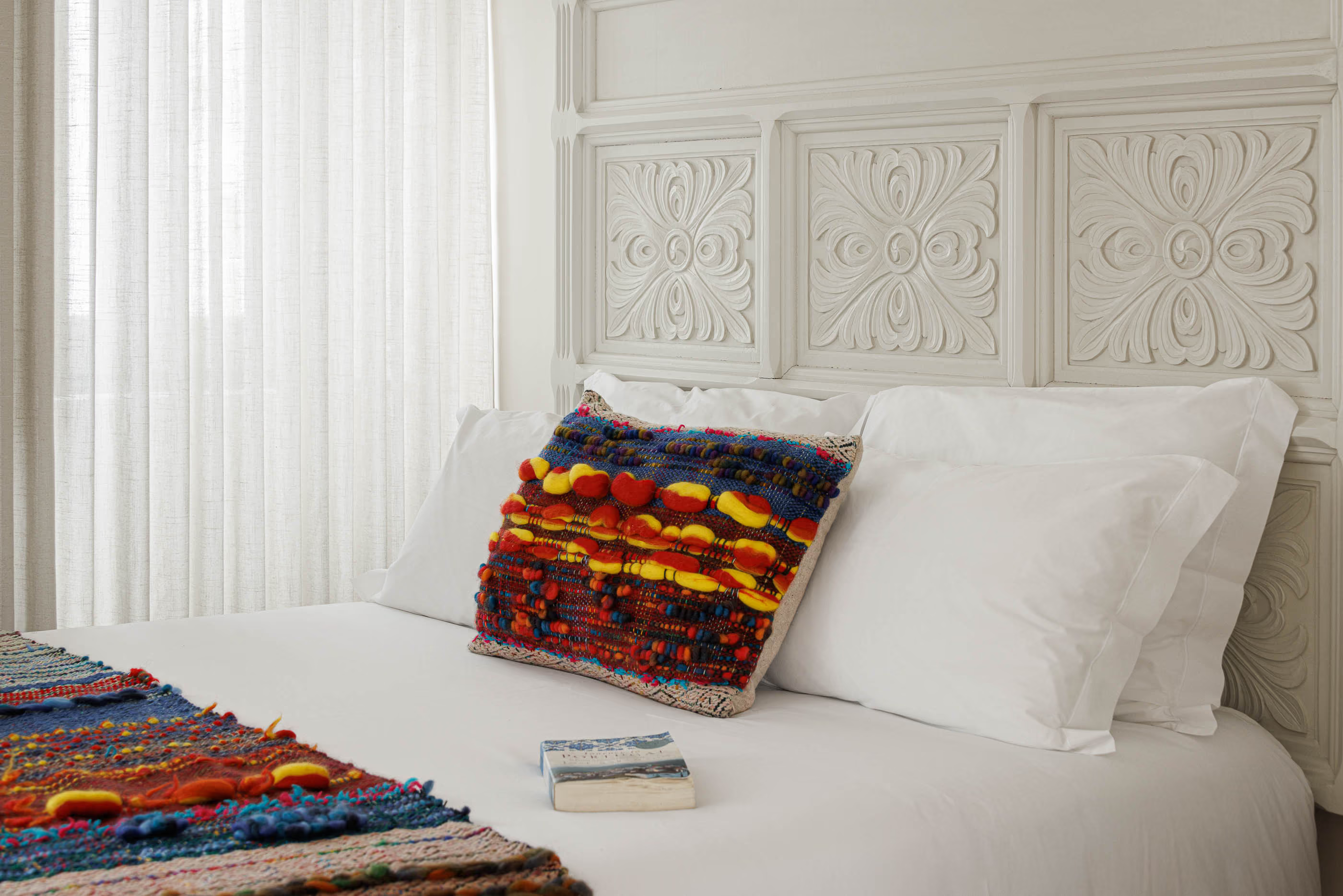
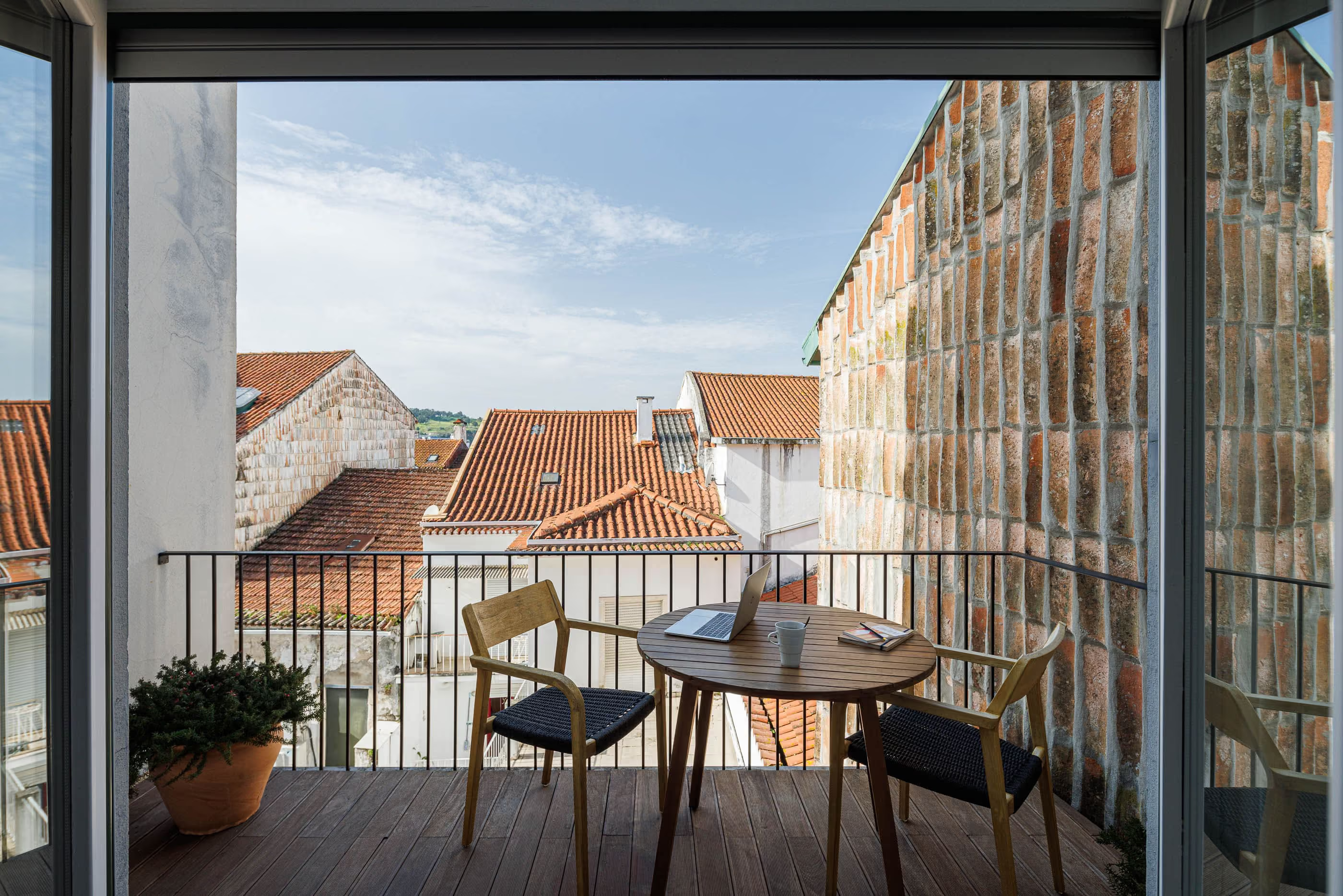
The space lives on light and simplicity. A bedroom with a double bed and a living area with a sofa bed create a flexible stay, where the interior follows the rhythm of the city outside. The equipped kitchenette allows full autonomy, and the balcony opens onto Coimbra's everyday life, a quiet frame over the historic centre.
Set in a building without an elevator, the access is part of the experience of living within the old city, where everything is done on foot and every street has its own rhythm.
Here, the stay is lived between history, urban life and the proximity of Coimbra's historic centre.
Rua Fernandes Thomas nº 20, 2º Andar
3000-167 Coimbra






Cut through the middle by the waters of the Mondego, Coimbra is a city blessed with a beauty and history that make it a gem in Portugal today, with a long road of success still ahead.
Former capital of the kingdom, Coimbra was the most important city on the Mondego defence line that led to the building of a country of brave Lusitanians. Years later, the city was called upon to serve the country again, this time in the service of knowledge, when King D. Dinis established Portugal's first university in Coimbra in 1290. The city's student body played a central role in the rest of the country's history as a defender of the values of freedom and democracy, serving as a bastion of revolt against the Estado Novo dictatorship.
Within the University, Coimbra Fado was also born, a musical expression unique in the world. Its poems and the artists who echo them, wrapped in their capes, evoke sweet serenades about love and longing for a woman, for the city and for the Academy. That longing is even carried in the guitars, which have a teardrop-shaped scroll.
Coimbra was also the stage for one of the most beautiful and tragic love stories that still survives in the Portuguese imagination: the forbidden love between D. Pedro of Portugal and D. Inês de Castro. Visiting Coimbra is to go back generations, to look through the lens of a leading character at the building of a country, the construction of a Lusitanian culture, of ardent passions and longing. We are waiting for you.